
Colored smoke bombs have become a common photographic accessory for weddings, gender reveals, and outdoor sessions. Their dense and pigmented smoke raises a recurring question: do the residues leave lasting marks on textiles or surrounding surfaces? The answer depends on several technical parameters, from the type of smoke bomb used to the conditions of use.
Chemical Residue from Smoke Bombs: What Safety Data Sheets Reveal
The safety data sheets (SDS) for biocidal and pyrotechnic products mention a risk of residues and deposits on textile surfaces, particularly in cases of overdose, insufficient ventilation, or when surfaces are already damp.
The deposit is not always a visible stain in the traditional sense. It can be a greasy or irritating film that settles on laundry, upholstery, or washable surfaces. This phenomenon is amplified when the smoke bomb is used indoors or in a semi-enclosed space.
Asking whether smoke bombs really stain thus boils down to two distinct questions: the visible coloration of a pigment, and the invisible but potentially stubborn chemical deposit. Both exist, but they are treated differently.
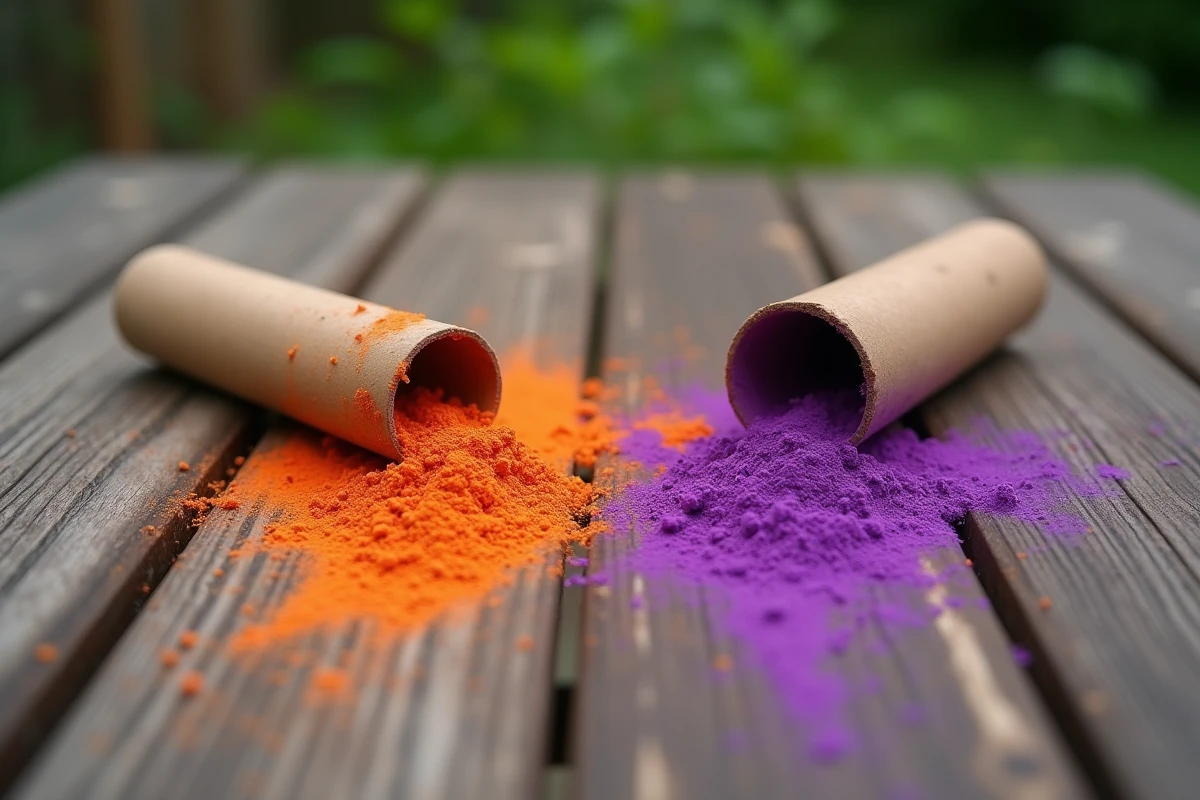
Colored Smoke Bombs and Stains on Clothing: Aggravating Factors
Not all smoke bombs stain with the same intensity. Friction models (like scrapers) and pin-type ones do not disperse smoke in the same way, and the concentration of pigment varies by brand.
Several factors increase the risk of staining on clothing or fabric:
- The distance between the smoke source and the textile. The closer the smoke bomb is held to the body, the higher the concentration of pigment deposits on the fabric.
- Ambient humidity or sweating. A wet fabric absorbs colored pigment much faster than a dry textile, making the stain harder to remove.
- The color and material of the clothing. White or light-colored textiles made of natural fibers (cotton, linen) retain pigments more than dark synthetic fibers.
- The duration of exposure. A smoke bomb that burns slowly projects particles for a longer period, increasing contact with nearby surfaces.
Wedding photographers report that stains on light fabrics can persist after a regular wash, while on dark clothing, they often remain invisible. Field reports vary on this point depending on the brands used.
Cleaning Smoke Bomb Stains on Textiles and Surfaces
When a colored deposit appears on clothing, the speed of intervention makes all the difference. A smoke bomb pigment treated within minutes of exposure is easier to remove than a dry stain embedded for several hours.
On Clothing
Immediate rinsing with cold water remains the first reflex. Hot water risks setting the pigment in the fibers. Soaking with a stain remover suitable for dyes, followed by a normal washing cycle, is sufficient in most cases for synthetic fabrics.
For white natural fibers, a treatment with sodium percarbonate diluted in warm water yields better results than a regular detergent. Delicate textiles (silk, wool) require professional cleaning to avoid setting the stain through inappropriate treatment.
On Hard Surfaces and Furniture
Smoke bomb residues on concrete, tiles, or wood often appear as a colored film. Cleaning with soapy water removes most traces on non-porous surfaces. Porous surfaces (natural stone, raw wood) may absorb the pigment deeply, making cleaning significantly more complex.
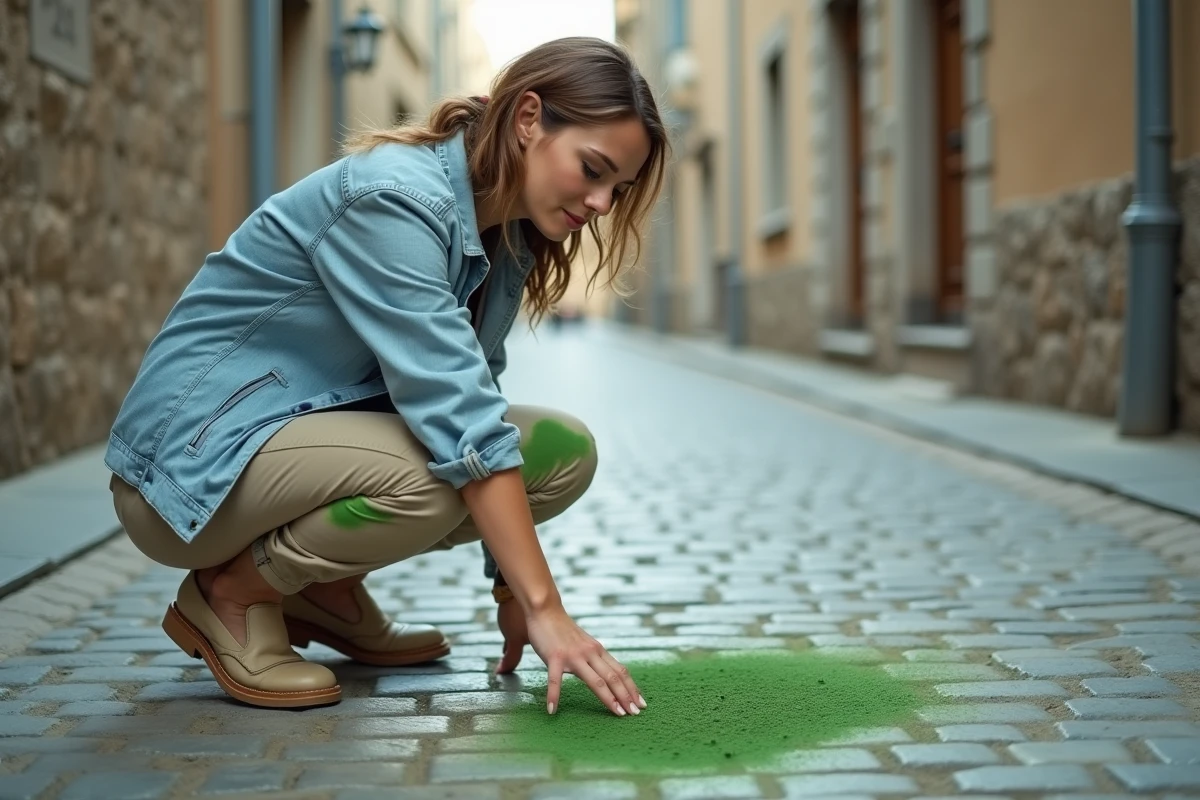
Indoor Insecticide Smoke Bombs: Chemical Residues After Fumigation
The issue changes nature with insecticide smoke bombs used to treat fleas, cockroaches, or bedbugs in a home. The question is no longer about a colored pigment but about residues of chemical products deposited on household surfaces.
The safety data sheets for these biocidal products indicate the need for thorough cleaning after treatment. Food contact areas (countertops, dishes, utensils) must be washed with water and soap before any reuse. Exposed textiles (sheets, curtains, clothing left uncovered) must be machine washed.
Insecticide smoke bombs do not replace systematic vacuuming, mechanical cleaning, or targeted treatment of corners. Fumigation alone is not enough to eliminate bedbugs, as the smoke does not reach the eggs nestled in mattress seams or baseboard crevices.
Precautions for Returning to the Home
After insecticide fumigation, prolonged ventilation of all rooms is the first step. Pets should not re-enter treated areas before a period indicated on the product label. Cleaning floors and furniture surfaces with water mixed with a neutral detergent helps remove most chemical residues.
European authorities have strengthened monitoring of biocidal substances and claims of “safe indoor use.” The available data do not allow for a conclusion that all household smoke bombs are risk-free for surfaces and occupants in all usage configurations.
Limiting Stain Risks: Actions That Change the Outcome
Whether the smoke bomb is festive or insecticidal, a few precautions significantly reduce the risk of persistent deposits:
- Hold the colored smoke bomb at arm’s length, in a low position and downwind, to keep the smoke away from worn textiles.
- Wear dark clothing or textiles that you are willing to sacrifice during a photo session with smoke bombs.
- Protect sensitive surfaces (furniture, porous floors) with a tarp or disposable fabric in case of indoor use.
- Have a water source nearby to immediately rinse any pigment deposit on skin or clothing.
Smoke bomb stains are therefore not a foregone conclusion, but they are also not a myth. The chemical composition of the product, the distance of use, and the nature of the exposed surface determine whether the residue will be a fleeting mark or a stubborn stain. Rinsing within minutes of exposure remains the most effective precaution to prevent a simple deposit from becoming a permanent stain.