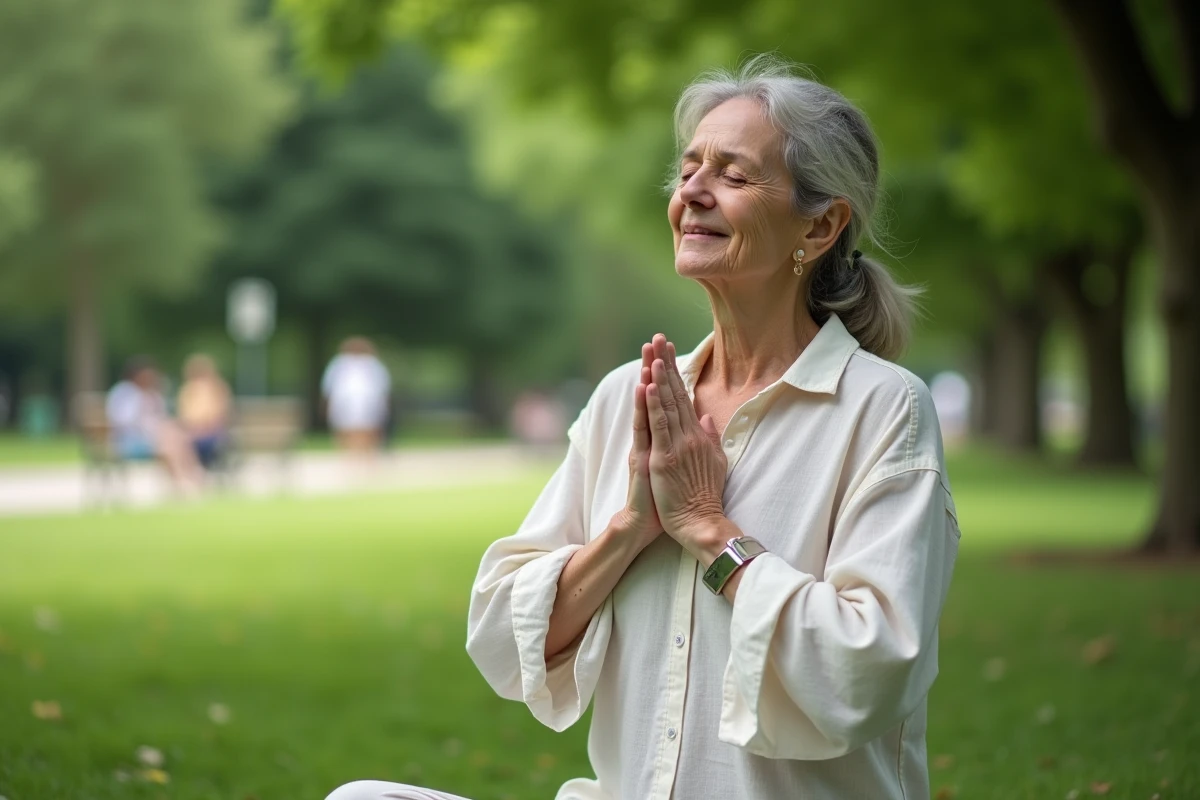
The management of chronic stress often proves more effective with practices derived from alternative medicine than with certain conventional treatments. Recent studies show that the targeted use of medicinal plants can modulate major biological markers related to inflammation. Yet, these natural approaches remain minority options in official recommendations, despite a growing scientific interest.
Specialized professionals report a notable improvement in quality of life through the integration of relaxation techniques and tailored phytotherapeutic interventions. However, the use of natural methods raises questions about regulation, personalization, and the transmission of knowledge.
Why natural methods are increasingly appealing for self-care
It is impossible to ignore the movement: the attraction to natural methods far exceeds a passing trend. This return to balance, sought by many French people, now resonates with the desire for coherence, both for oneself and for the planet. Naturopathy, recognized by the European Parliament as a non-conventional medicine, offers an approach that considers the individual as a whole. Here, overall health improvement relies on complementary practices, never in opposition to conventional medicine.
If naturotherapy has so many followers, it is partly due to the variety of its tools. Among the most sought-after practices are:
- acupuncture
- hypnosis
- bioenergy
- and the use of Bach flowers
These disciplines, taught by organizations like Omnes or the Register of Naturopaths of France, are integrated into care pathways that take into account the needs and experiences of each individual. The central idea: well-being arises from the balance between physical and mental health, from favorable routines, and from a regular connection with nature. The choice of a natural method is also guided by an increasingly affirmed ecological sensitivity.
Making an appointment with a professional or consulting reliable resources, such as the site art-de-guerir.fr, helps clarify and avoid many pitfalls. The appeal of holistic medicine lies in its ability to articulate several solutions that respect life, designed to enhance comfort. These methods invite a rethinking of health: prevention, active listening to the body, and constant adaptation of lifestyle become benchmarks.
What relaxation techniques to adopt for calming the body and mind daily?
Breathe. Walk. Slow down. Three simple gestures, but when repeated, they have real effects on mental and physical health. Today, stress management appears as a priority. Naturopathy values relaxation as much as physical activity, considering that well-being is not decreed: it is cultivated, day after day, through manageable habits.
Practices like yoga, meditation, or tai chi provide solid foundations. They engage the body, calm the breath, and refocus attention. Walking, often underestimated, remains an unmatched ally for reconnecting with nature and relieving pressure. For many, it marks a true transition space, a time for oneself, away from the tumult.
Here are some examples of techniques to integrate into your routine to regain calm and energy:
- Yoga: develops flexibility, concentration, and helps release accumulated tension.
- Meditation: encourages self-presence, reduces anxiety, and promotes restorative sleep.
- Walking: improves circulation, brings oxygen, and calms intrusive thoughts.
- Creative activities: painting, writing, music, all means of expressing emotions and channeling them differently.
Time management and the regulation of emotions complement this approach. Taking time for breaks, establishing calming rituals at the end of the day: these are concrete levers. Experience shows that the combination of these chosen and adapted techniques acts as a foundation to enhance quality of life and establish a lasting harmony between body and mind.

Phytotherapy and expert advice: concrete solutions for sustainably improving your well-being
Phytotherapy is now an essential reference among natural methods to support general health and maintain internal balance. Practiced in naturopathy, it utilizes the properties of medicinal plants such as garlic, ginger, turmeric, echinacea, sage, green tea, or ginkgo biloba. These botanical allies contribute to the immune system, relieve certain ailments, and support daily vitality while limiting the consumption of synthetic products.
Among the most commonly used natural solutions are:
- Dietary supplements: omega-3s, probiotics, superfoods, all contribute to the balance of the intestinal microbiota and the proper functioning of the body.
- Essential oils: used in massage or diffusion, they support relaxation and promote stress management.
- Clay: known for its benefits on the skin, it purifies, soothes, and regenerates without disrupting the skin’s ecosystem.
Turning to a naturopath or a trained health professional allows for personalized advice: detox, revitalization, stabilization. These supports are based on an analysis of lifestyle and dietary habits to propose truly adapted solutions. The use of natural products for the skin, reducing exposure to chemical substances, and a concern for environmental respect also fit into this philosophy. The meeting of expert knowledge and plant resources offers clear pathways for those wishing to sustainably improve their quality of life.
Changing course sometimes means choosing simplicity. Natural methods remind us that a new balance can take root in concrete actions, driven by regularity and self-awareness. An invitation to rewrite, day by day, one’s own definition of well-being.